
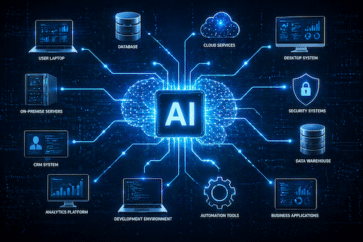
From innovation to impact: Three ways school districts can build a sustainable AI framework
School leaders must move beyond experimentation and build AI systems that prioritize governance, purpose, and data integrity
AI is here, and it’s moving fast. For schools, that speed is both an opportunity and a risk: The right tools can transform learning, but the wrong ones can compromise data, equity, and instructional goals.
Top Stories
5 ways to make reading click for teens

Reading is competing for attention in a world built for scrolling. A recent University of Florida study found that the share of Americans who read for pleasure on an average day dropped from 28 percent in 2003 to just 16 percent in 2023.
3 ways students can use AI tools to improve their literacy skills
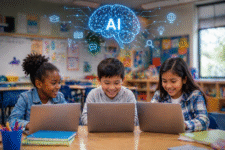
Some might worry that the introduction of AI tools in the English classroom will simply lead to more cheating and even worse literacy rates, leaving students unprepared for college and careers that demand strong writing and communication skills.
Why students disengage before they fall behind

I once met a student who had attended three different schools before arriving at mine. His parents described him in familiar terms: quiet, disengaged, unmotivated.
When a teacher ditched screens, class got harder. That may be why it worked.

Seventh-grade math teacher Dylan Kane decided to conduct an experiment in his classes by going cold turkey on ed-tech.
We can’t wait for another Mississippi Miracle

Recent findings on the negative impacts of AI on learning might be sparking national debate, but they are unsurprising to learning scientists.
Education in a connected world: Preparing students for global careers

The world of work is changing fast. Careers no longer sit neatly within a single industry, city, or even country; they span disciplines, time zones, technologies, and cultures.
The screen-time debate’s blind spot

Last fall, during a professional development session I was running with a group of teachers in São Paulo, a fifth-grade teacher raised her hand and asked a question I have since heard in every country I work in: “I want to use AI to plan better lessons. But how do I do that without just putting kids in front of another screen?”
Protecting teachers from workplace violence as student behavior challenges rise

Schools have seen rising problems with student behavior since the pandemic. For too many K-12 districts, these student behavior challenges are leading to violence against teachers.

Sponsored Content
Why interactive solutions are a smarter investment for schools

School IT leaders face a constant balancing act to deploy technology that enhances learning while keeping systems secure, manageable, and cost-effective.
Advancing digital equity through teacher leadership

Meaningful opportunities for teachers to build expertise and leadership beyond their classroom add to a sense of professionalism and fulfillment. In an age when the role of technology in education is rapidly changing, why not allow teachers to lead the way?

Why interactive solutions are a smarter investment for schools

School IT leaders face a constant balancing act to deploy technology that enhances learning while keeping systems secure, manageable, and cost-effective.
Wearable tech helps students overcome central vision challenges

Central vision loss–a condition that impairs the ability to see objects directly in front of the eyes–can have profound academic and social impacts on K-12 students.
