
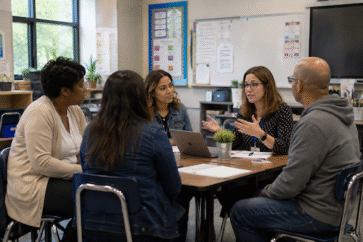
Building inclusive school communities through integrated digital strategy
Administrators and technologists must look at CMS platforms and mobile apps as bridges to equity
Clear, timely communication is the bedrock of the relationship between a school and its families. It is the invisible thread connecting a student’s classroom progress to the support they receive at home.
Top Stories
Beyond spotting deepfakes: Teaching multilingual learners to interrogate AI
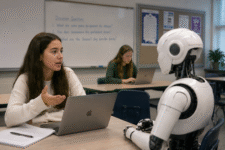
Long before computers entered our homes and classrooms, photographs helped shape what people believed. Images carried a particular kind of authority: We did not simply look at them; we often treated them as evidence.
Financial education must not sacrifice student privacy

Financial education is gaining real momentum across the United States. More states are adopting mandates, more schools are adding graduation requirements, and more policymakers are acknowledging that students need practical preparation for the financial decisions they will face as adults.
Attendance is the scoreboard–connection is the game

If I had been asked a few years ago, I would have told you that chronic absenteeism was a school system’s problem to fix. With better data systems, staff trained on outreach, and improved intervention protocols, school districts could move the numbers on their own.
What it really takes to accelerate adolescent literacy across our district
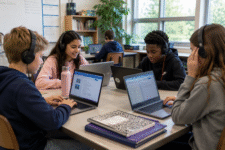
When people hear about the literacy gains we’ve seen in our middle schools, they often ask a simple question: What program did you use?
Uncovering the college and career readiness shifts that exceptional school systems are making

If you ask most educators where college and career readiness (CCR) begins, many will point to high school. That’s when many students start thinking seriously about graduation requirements, dual enrollment, financial aid, career pathways, and college applications.
Today’s classroom isn’t broken–but it wasn’t built for today’s top students
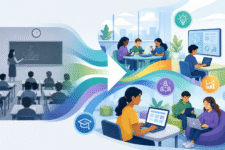
Walk into almost any classroom in America, and you’ll see a system designed for consistency: same lesson, same pace, same expectations for every student. For decades, that model has served millions well.
5 ways AI can strengthen your teaching this school year
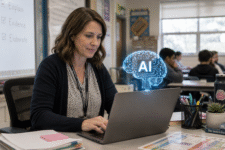
A year ago, many educators were still asking whether artificial intelligence belonged in the classroom. Some were cautiously experimenting with AI-generated lesson plans, while others were focused on preventing students from using it altogether.
Public schools at the starting line: Beginning a new pathway with scholarship granting organizations

For the first time, a federal tax credit is opening a clear path for public school students to access expanded learning opportunities through Scholarship Granting Organizations (SGOs).
EDUCATION RESOURCE CENTERS
Evaluations That Elevate: Moving Your District From Compliance to Growth

What if evaluation felt less like paperwork and more like progress? Observation cycles, rubric scoring, summative ratings, SLOs, and growth plans shouldn’t live in disconnected systems. Explore how one platform helps HR directors, superintendents, and instructional leaders bring it all together — for every employee, every role, every district.
Sponsored Content
Why interactive solutions are a smarter investment for schools

School IT leaders face a constant balancing act to deploy technology that enhances learning while keeping systems secure, manageable, and cost-effective.
Advancing digital equity through teacher leadership

Meaningful opportunities for teachers to build expertise and leadership beyond their classroom add to a sense of professionalism and fulfillment. In an age when the role of technology in education is rapidly changing, why not allow teachers to lead the way?

Why interactive solutions are a smarter investment for schools

School IT leaders face a constant balancing act to deploy technology that enhances learning while keeping systems secure, manageable, and cost-effective.
Wearable tech helps students overcome central vision challenges

Central vision loss–a condition that impairs the ability to see objects directly in front of the eyes–can have profound academic and social impacts on K-12 students.
