

The AI-resistant classroom is a myth: Designing assessments that assume AI is present
The goal is not to eliminate AI from student workflows; the goal is to ensure that human thinking remains central
Artificial intelligence is no longer approaching the classroom–it is already embedded in it. Students are using generative tools to brainstorm, summarize, translate, draft, and revise.
Top Stories
Key tips to help district leaders use data to improve attendance

Chronic absenteeism has become one of the most pressing challenges facing K-12 education today. According to the American Enterprise Institute, chronic absenteeism rates are leveling out at 23.5 percent, still far above pre-pandemic attendance levels.
5 keys to turn escape rooms into classroom inspiration

Have you ever been to an escape room? For those unfamiliar with the term, an escape room is a structured, problem-solving experience where participants are locked in a room and must use their wits, tenacity, and deductive skills to find a way out.
As classrooms go digital, are educators ready?

Today, about 80 percent of K–12 students use computers or tablets at school–up from about 50 percent before the pandemic. Even as parents worry about too much “screen time,” schools are ramping it up.
When it comes to student attendance, are districts measuring the wrong thing?
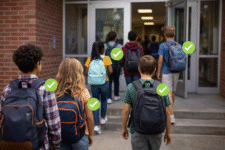
Across the country, schools are raising alarms about chronic absenteeism. News stories highlight rising numbers of missed days, legislators are demanding answers from districts, and educators are feeling the stress.
In districts, reaching readiness, retention, and success

It’s critical that schools create an environment where students thrive and teachers and staff feel supported and empowered.
Nearly half of high school students now use AI in college search

AI is transforming the way students discover, evaluate, and choose colleges, according to a national survey of more than 5,000 high school students conducted by education company EAB.
Too many apps, too many missed messages

In our district, families were checking multiple apps just to keep up with school communication. One child’s teacher posted in one platform. Another school used something different. District updates lived somewhere else entirely.
The biliteracy advantage: How heritage languages boost English proficiency and workforce readiness

In just one academic year, Marietta City Schools in Georgia saw the percentage of elementary English learners (ELs) working in or above grade level rocket from 11 percent to 67 percent.

Sponsored Content
Why interactive solutions are a smarter investment for schools

School IT leaders face a constant balancing act to deploy technology that enhances learning while keeping systems secure, manageable, and cost-effective.
Advancing digital equity through teacher leadership

Meaningful opportunities for teachers to build expertise and leadership beyond their classroom add to a sense of professionalism and fulfillment. In an age when the role of technology in education is rapidly changing, why not allow teachers to lead the way?

Why interactive solutions are a smarter investment for schools

School IT leaders face a constant balancing act to deploy technology that enhances learning while keeping systems secure, manageable, and cost-effective.
Wearable tech helps students overcome central vision challenges

Central vision loss–a condition that impairs the ability to see objects directly in front of the eyes–can have profound academic and social impacts on K-12 students.
