
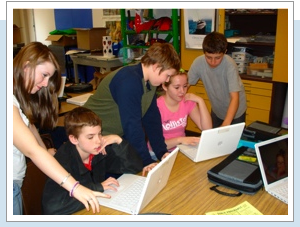
By streamlining the intervention with the IT team, the Allow Program took off. Students spread the word that bringing your own laptop to school was the best way to get on the network. Soon, more and more students started showing up with their own personal devices. For us, the NAC solution has saved the entire department more than 100 man hours so far, and the Allow Program has grown to approximately 130 students accessing network services each day. Our students are separated from the core production networks, but still have access to the resources they need. The students and teachers are singing the program’s praise, and our support for it has gone to nearly zero.
Every school district should have a NAC solution to support differentiated access for students, staff, and guests–because it’s unsustainable for a district to try to provide a computer for everyone. Allowing students, speakers, parents, and other community members to bring in their own equipment to utilize the network saves us a lot of money.
More importantly, students can choose the device that best facilitates their own unique style of learning. If a student feels most comfortable using a netbook running Linux–that is the best device for them to use at school. We believe that the best security is transparent to the end user, and doesn’t make us change how we work.
NAC is helping us achieve our goal of providing access, without spending $100,000 or more on student computers and software licenses. The IT group saves 30 minutes of set up time for each user, and we no longer have to manage individual accounts, passwords, and security applications. Today, we are able to bring computers onto our network safely and securely. We know that we can’t have 1:1 computing and allow students to bring computers on campus without having our NAC solution in place.
Looking forward, we can use NAC to determine the health for all devices, including if the device’s firewall is enabled, when antivirus applications were last run, and if patch levels/service packs are current, before letting it on the network. If access is denied, a page can pop up with instructions on getting the machine in order, and onto the network quickly. The goal is to allow students to use their favorite devices as they normally would at home, while providing tiered levels of security and protection for our network when they are here on campus.
Jeff Crawford is manager of networking and security in the East Grand Rapids Public Schools. The East Grand Rapids Public Schools district has an enrollment of 2,900 students and employs around 500 employees. Seven IT employees serve the entire district, which has approximately 1,600 district-owned computers located across multiple campuses and administrative buildings.

- Children learn best on paper: We need better technology, not less of it - July 13, 2026
- In districts, reaching readiness, retention, and success - March 5, 2026
- AI use is on the rise, but is guidance keeping pace? - January 2, 2026