
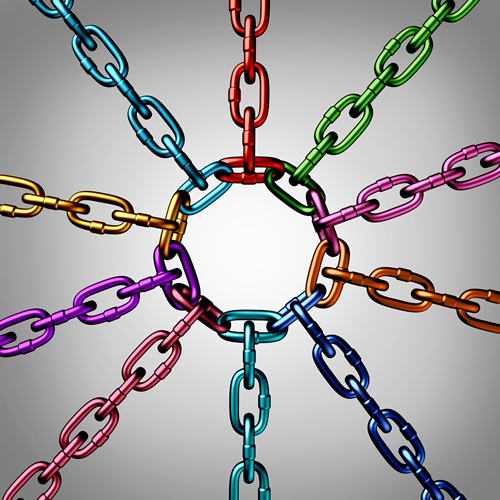
The 5 Cs explained:
- Collaboration. Educators can shift to a more collaborative approach in which students can ask each other questions and engage with one another. Class lectures often don’t allow students to work together in real time, but personalized, interactive lessons allow students to collaborate and ask each other questions in real time without fear of disrupting the lesson for others.
- Communication. Students become better communicators and independent learners in classes that focus on the education journey in lieu of end-of-course exams. Instead of regurgitating facts learned in class, students have more room to ask questions and discuss freely.
- Creativity. Most lesson plans allow only one right answer. While traditional classes may lack the opportunity for students to create projects vastly different from one another, coding classes, for example, offer each student the change to create unique code.
- Critical and computational thinking. Most lessons don’t allow students to use logic to problem solve or recognize patterns in subjects such as math or science. STEM-focused courses can build critical and computational thinking by using trial-and-error and deductive-reasoning skills to carry out a solution. In coding, students learn how to make best inferences and how to formulate and analyze code to get to an intended outcome.
Students learn best through the 5 Cs. They are more apt to apply soft skills not only during class, but outside school walls as well. Innovative practices such as project-, problem-, or challenge-based learning aids in the development of these skills, as students work together on solving real-world problems in lieu of isolated learning and monotonous lectures. An emphasis on social and emotional learning involves more collaboration (whether between educator and student or student and peers) in the classroom and showcases how learning does not simply entail a focus on product.
This shift from product to process-focused will not happen overnight; it will take much trial and error for educators to figure out how to best teach to their students’ needs. While coding classes represent a strong start to a new-age teaching revolution, it may take time for more collaborative, creative teaching methods to seep into other K-12 subjects. Education is a journey, and to achieve it, educators must embrace a road less traveled.
- Why we love our PD tools - May 13, 2019
- How one middle school is closing the technology achievement gap - May 10, 2019
- How STEM learning invigorates classrooms - May 1, 2019