
4. Focus on data
As we review and strengthen current programs and develop new ones, we are looking closely at how students are performing while finding ways to collect data more frequently throughout the year via formal assessments, informal interviews, and other means. By breaking down the data in various ways and using multi-tiered systems of support, we can monitor which groups of students are accessing which programs, and we are using that information to remove barriers to entry, add additional supports for students who are struggling, and accelerate learning.
5. Support project-based learning (PBL)
Creating experiential and meaningful learning experiences for students starting at a young age is critical to sparking a love for learning that can span a student’s entire educational career. One elementary school’s project this spring is to clean an adjacent pond and test soil and water quality as part of an ecology unit. To support and expand initiatives like these, we are providing regular professional development on PBL methodology and opportunities for our PBL pioneers to share challenges and successes.
Related: 9 innovation tips from pioneering schools
6. Fortify STEAM programming
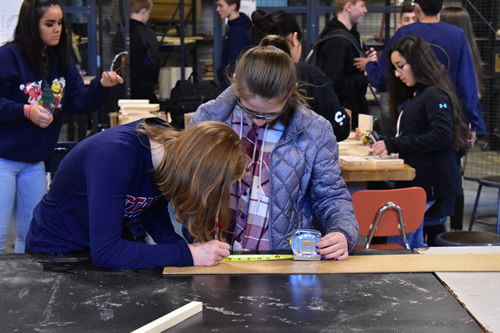
We are adding a number of new STEAM spaces to our middle and high schools, as well as soliciting new project proposals. One middle school teacher has proposed that we convert an old bus into a mobile STEAM lab to expand STEAM educational opportunities beyond the classroom. Students are actively involved in developing designs and suggesting resources for the bus, which could make its debut as early as this spring.
7. Expand summer learning
We are collaborating with our district’s CTE-focused charter school to add more high-quality offerings to our summer programming to engage students who might not otherwise have opportunities to extend their learning. Plans are underway to develop a two-week design camp for eighth graders transitioning to high school in which students will identify local or global challenges, propose solutions, develop prototypes, and solicit feedback from industry representatives.
Future outlook
By focusing on innovation, access, and opportunity, we expect to improve engagement, participation, and performance across all groups by 2025, including students of color, students with disabilities, emerging bilingual students, and students experiencing poverty. Moreover, I anticipate that our efforts to provide a continuum of innovative learning experiences will grow to encompass community preschools, higher education institutions, and additional industry groups as we continue to integrate our work directly into the fabric of the greater community.
- Helping students discover they belong in science - October 14, 2026
- Year-round K-12 recruitment can win the talent pipeline and retention game - October 13, 2026
- Standardize to sustain: Building a resilient K-12 technology strategy - October 12, 2026