
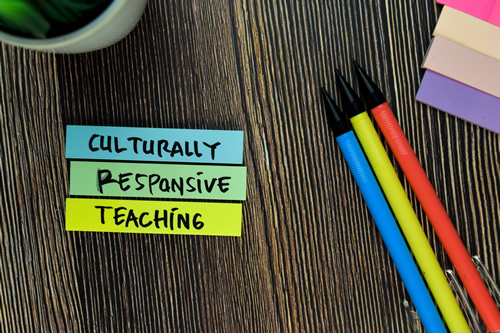
The term “emergent bilingual” honors the native language, cultural background, and other assets students bring to the classroom, regardless of students’ place of birth. Educators should therefore be intentional about valuing the many gifts these students bring to the classroom and transition toward achieving educational equity for these students.
Students who speak more than one language have a clear advantage when preparing for participation in a global economy. A culturally responsive classroom, where all students can identify themselves and see their communities reflected in the content, is important. Although the personal connection between the student and teacher is critical, teachers can also support emergent bilingual students through embracing innovative instructional techniques, utilizing various resources, and intentionally fostering stronger connections to students’ families. Our world is beautifully diverse, and students will thrive in classrooms where all students are valued for the gifts they bring to the classroom. Teachers can intentionally create opportunities for students to share their cultural experiences and to connect to real-world issues.
6 steps to creating a culturally responsive classroom
Classrooms across the country are currently shifting to a technology-integrated blended learning model. Teachers are transitioning from a traditional instruction model to a coaching role that facilitates student engagement and critical thinking.
During the last few months of remote learning for students, teachers were learning a great deal about their students. Teachers now have a window into students’ home lives that they’ve never had before. This is an opportune time for teachers to incorporate students’ families, communities, and culture into their lessons.
Here are six steps to help you get started:
1. Tap into culture: Learn about your students! This is the key to culturally responsive teaching. Ask them questions about their lives and families. Talk with parents about the hopes and aspirations they hold for their children and encourage them to speak their first language together at home. Research the families’ cultures and visit their communities.
2. Design visual diversity: Students should be able to identify themselves in the displayed images, bulletin boards, classwork, and books that support their learning.
3. Create a student-centered classroom: Students that are truly engaged take ownership of their own learning. Engage students in culturally relevant learning by focusing on student engagement and collaboration.
4. Pronounce names correctly: Making the effort to pronounce your students’ names correctly builds trust and honors students’ cultural heritage.
5. Set high expectations: Use technology to meet the various needs of students. Every student should have access to scaffolding and learning accommodations until they are able to gain independence.
6. Embrace an asset-based mindset: Reflect on students’ individual strengths. Determine how you can use their interests, skills, and responsibilities from outside the classroom to guide instruction inside the classroom.
Schools that embrace culturally relevant and responsive instruction report higher levels of community engagement and academic achievement. This is good news! Let us continue to create culturally rich, diverse, and responsive classrooms that allow educators to establish the valuable foundations that will allow students to find and make their place in our changing world.
- The future of educational equity isn’t just more resources–it’s more access to experiences - October 16, 2026
- Vibe coding: 3 easy steps to classroom magic - October 15, 2026
- Helping students discover they belong in science - October 14, 2026