
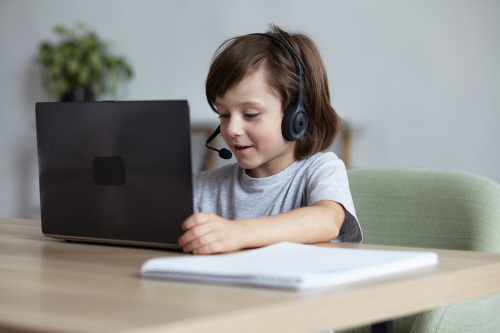
Teletherapy provides a potential solution for reaching individuals in remote locations who need care. Research suggests that teletherapy is just as effective as in-person care, and it provides a way for students to quickly get access to the services and help they need.
In many clinical settings, it can take up to 24 months for a child to see a pediatric therapist. That’s not an acceptable wait time under any circumstances, but especially if the need is urgent.
One of the biggest benefits of teletherapy is that it allows for therapists to be situated anywhere in the country, which increases the availability of services. When teletherapy is available in remote areas, children can talk to someone who might not be part of their community but who can help them understand that other children face the same challenges they are facing.
As with all telehealth services, teletherapy is critical because where a child lives does not matter as much as what services the child needs. Because location is no longer a barrier, every child has a better chance of being matched with the therapist who can address that child’s individual needs.
Teletherapy also makes it easier for children to find someone who looks like them or speaks like them. Teletherapists can also provide support for people who are struggling with LGBTQ issues and might not have local access to the appropriate resources or community that understands the unique challenges they face.
In addition, because the person the child works with is remote, it removes some of the fear and stigma of reaching out to a therapist who the child might bump into in the community.
A multi-layered approach
When leveraging teletherapy in a school setting, taking a multi-layered approach is important. For example, a teacher or more than one teacher at the school are armed with resources to identify which students need help. In-school nurses are also given helpful resources.
The school works with the parents of a child in need of care, as well as with the teletherapy providers, for in-home care. School districts can also work with teletherapy providers to offer the services in a school setting. Teletherapy offers specialized services that school districts might not be able to find elsewhere.
The International Board of Credentialing and Continuing Education Standards (IBCCES) has developed a certification program to standardize pediatric teletherapy across the country. The program was established to ensure that telepractice is easy to implement, meets requirements, and is administered professionally, ethically, and effectively.
IBCCES offers several certification programs that give telepractitioners the tools they need to be highly successful when delivering virtual services. The credential courses are open to all and are designed to help address the shortage of practitioners who provide teletherapy services by setting a standard of care.
Therapists who enroll in the certificate program receive the training and resources required to meet the needs of the children they serve.
Supporting parents in their homes
Therapy in the home can be the ultimate convenience for students and their families, especially if they live far from where a therapist is based or have difficulty having sessions at school.
With this approach, an online therapist takes a virtual tour of the parents’ home, identifying objects and routines that could help the parents deliver therapeutic supports in the home.
For example, one therapist worked with a set of parents to show how they could use cooking together to work on increasing language skills, and how they could use common items such as toys or pillows during play to elicit specific speech skills.
These are challenging times for everyone, including young people who are struggling with various disabilities. For those in remote locations, getting help can be difficult. Teletherapy, in combination with support from family, school, and the community at large, provides a possible solution.
- The future of educational equity isn’t just more resources–it’s more access to experiences - October 16, 2026
- Vibe coding: 3 easy steps to classroom magic - October 15, 2026
- Helping students discover they belong in science - October 14, 2026