
IT teams understand how important cybersecurity measures are, but many struggle to pinpoint where to begin when their resources are limited.
And when COVID closed in-person classrooms, it also gave a boost to cybercriminals looking to infiltrate school district networks. Data security breaches–including ransomware attacks, phishing, and unauthorized disclosures–show no sign of slowing, and K-12 IT leaders need to be ready.
Threats to K-12 education networks will never be eliminated, but there are strategies to successfully defend sensitive school district information. Want to learn more? Join a conversation with fellow edtech leaders and experts as they share best practices on both the technical aspects–software and services–and the human aspects–professional development and community education–of keeping your networks safe and sound.

- Children learn best on paper: We need better technology, not less of it - July 13, 2026
- In districts, reaching readiness, retention, and success - March 5, 2026
- AI use is on the rise, but is guidance keeping pace? - January 2, 2026
More from eSchool News

5 signs a student is struggling in the post-literate era
In an era dominated by short-form content and instant AI-generated summaries, students are growing up in what experts call the post-literate era, where reading text is no longer the default for learning outside the classroom.

What attendance data can teach districts about their own actions
A few years ago, our district leadership looked at our student attendance data and noticed something they couldn’t unsee. Every single year, the Monday after the Super Bowl, our numbers tanked.

Edtech stakeholders urge support for E-Rate
The Consortium for School Networking on October 21 sent a petition to Congress signed by 464 education and community leaders from across the country, urging policymakers to protect and strengthen the E-Rate program and emphasizing the critical role affordable, high-capacity broadband plays in teaching, learning, and school operations.

Why one-off AI training will not prepare teachers
Across K–12 education, districts are moving quickly to help teachers understand artificial intelligence. They are offering workshops, creating guidance, identifying approved tools and developing resources to support responsible use.
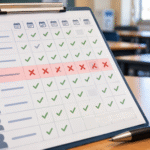
Key tips for district leaders on using data to improve attendance
Chronic absenteeism has become one of the most pressing challenges facing K-12 education today. According to the American Enterprise Institute, chronic absenteeism rates are leveling out at 23.5%, still far above pre-pandemic attendance levels.
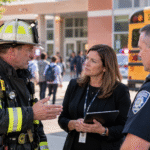
School safety depends on strong community partnerships
Place yourself at the start of a school emergency. A teacher is trying to communicate what’s happening. A 911 dispatcher is gathering critical information. School leaders are working to understand the situation while first responders start decision-making with whatever information is available.

The goal isn’t to make school easier for students with dyslexia
One of the most important distinctions we can make when educating students with dyslexia is the difference between making learning accessible and simply making it easier. Only the former does them any favors.

So, you want to be a school administrator?
As an educational leadership professor, I have coached many students aspiring to transition from classroom teaching to assistant principal and principal positions.

The data retention challenge for online exam platforms
The shift from exam halls to online assessment platforms has quietly created a significant data management challenge.

The bottleneck in every classroom: Working memory, cognitive load, and the conditions for learning
Throughout my career, I have held various roles (teacher, principal, director of curriculum and instruction, author, speaker, and solutions provider) but I fundamentally see all of them as forms of teaching.