
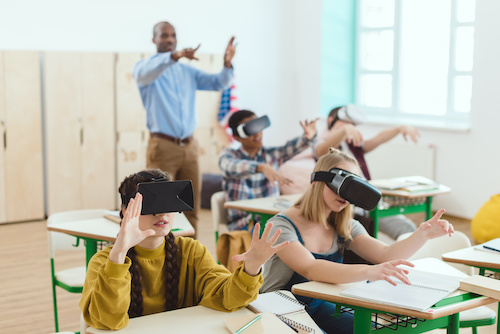
2. Project-based learning: Like SEL, project-based learning (PBL) is not new — but it has taken on greater significance in recent years. Once upon a time, teachers were the ones to dispense information to students, but now search engines like Google have usurped that role. Today, the responsibility of teachers is to facilitate learning experiences that foster student curiosity, creativity, and critical thinking – and which help them to apply what they know in authentic, real-world contexts. Luckily, there are an abundance of fun, flexible lessons that teachers can use to implement PBL in their classrooms.
3. Soft skills: What do you believe are the most important qualities that employers look for in potential job candidates? It might surprise you to learn that the top skills were things like teamwork, creativity, and perseverance. Soft skills like these will only become more important as technology continues to advance. Teachers can help prepare their students for their future careers by ensuring they have ample experience practicing these habits of mind.
4. Gamification: Play is a powerful way to learn. Gamification has been shown to increase classroom engagement, aid in cognitive development, and offer a host of other benefits to young learners. Instead of having students compete against each other, leverage the power of competition and collaboration simultaneously by having students work together to beat a class goal or to show improvement over time. It’s a simple little hack to make gamification even more effective!
5. STEM: Right now, the fastest growing career fields are in the areas of science, technology, engineering, and math (STEM). As such, it is vital that students have a solid grasp on the principles of STEM before they graduate. Not only will this be important to their future careers, but given the speed at which technology is evolving, they will likely need this knowledge to function in their day-to-day future. An easy way to get students started is with free, 15-minute lessons that will familiarize them with the qualities of STEM.
6. AI: Finally, we come to the most notorious subject in education today – the rise of AI. While some are excited about the possibilities that AI will unlock, many are rightfully concerned about its unethical usage and potential for cheating. While it’s still too early to fully know what AI holds for education, teachers can implement it positively by pitting their students against AI and learning how they can improve upon its work.
The future of education is always changing, but one constant is sure to endure. In order for students to grow, they will need dedicated teachers to foster their minds and encourage them to reach their potential. By reading this, you have already proven that you’re ready to meet the challenge. So, remember to stay up to date on the latest trends in education, and give your students the best chance for success in the new school year.
Related:
8 education trends bringing disruption in 2023
- We stopped waiting for the teacher pipeline–we built our own - September 1, 2026
- A blanket screen-time ban won’t fix what’s broken in edtech - August 31, 2026
- Students won’t remember every lesson, but here’s what’ll stick - August 27, 2026