
Covid underscored the need for two things: network security and reliable digital workflows.
When classrooms and central offices closed, the ability to properly manage traditional paper-based processes was gone. What came next? Automating those processes—and most schools have discovered they are more efficient with this workflow automation.
Replacing old paper trails with codified digital workflows complete with e-signatures not only better protects the data on those forms, but better ensures the validity of the transactions themselves.
Join an eSchool News panel of experts in the second part of a webinar series to discuss building efficiencies and data security and compliance in education. You’ll learn how replacing folders filled with parent-signed health and AUP forms with online solutions improves the user experience for everyone–parent, teacher, and administrator alike.

- In districts, reaching readiness, retention, and success - March 5, 2026
- AI use is on the rise, but is guidance keeping pace? - January 2, 2026
- 49 predictions about edtech, innovation, and–yes–AI in 2026 - January 1, 2026
More from eSchool News

This elementary school banned screens in the middle of the year. Will it solve their reading crisis?
Last month, Mesick Consolidated Schools banned digital devices in its elementary school of about 250 students. The decision wasn’t an agonizing one. The ban came at astonishing speed, almost overnight, after a conversation between Mesick Superintendent Jack Ledford and Jewett Principal Elizabeth Kastl.

Oracy is the missing link for multilingual learners
For multilingual learners, language is not just a subject to be learned–it is the very medium through which they access the curriculum.

Why so many students struggle in math before learning even begins
In mathematics education, we have long relied on a familiar sequence: introduce vocabulary, demonstrate procedures, and assign practice. For some students, this works well enough.

When AI means something different in every classroom
In many schools, AI is being handled through individual teacher decisions rather than a shared structure. That makes sense in the short term. Teachers are responding in real time, trying to protect their classrooms, their expectations, and their students.
What it takes to build teacher confidence in math: 4 lessons for district leaders
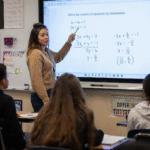
After 20 years teaching high school math, I thought I understood why students struggled. Then I sat in my first professional learning session focused on early math and was humbled.
The hidden cost of fragmented student data in K–12 schools
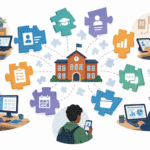
In many K–12 schools today, fragmented student data has quietly become one of the most significant barriers to effective decision-making and day-to-day operations. While digital tools have expanded rapidly in classrooms and administrative offices, the systems managing student information, communication, and reporting often remain disconnected.

The 4 keys to creating meaningful student-led inquiry
Does the thought of student-led inquiry make you nervous? For some teachers, handing over control of the classroom to their students sounds like an invitation for disaster.

Gender-specific education: Examining boys’ educational needs and learning strategies
In recent years, educational research has sparked significant discussion about whether boys and girls learn differently and if gender-specific teaching strategies could enhance academic outcomes.

When AI does the work, who does the learning?
AI is rapidly reshaping education, but not always in ways that support learning. A growing number of AI tools promise to “help” students by doing assignments, writing papers, solving problem sets, or even completing exams automatically.

4 ways to turn math fears into math cheers
My first few years teaching math were a struggle for me and my students. Our textbook focused primarily on direct instruction: I do, then you do, but rarely we do.