
2. Something old, something new
Educators must balance the need to catch students up and fill in the gaps with the need to teach grade-level skills and content. An approach that combines instruction of new content, with the practice and reinforcement of earlier skills, addresses these simultaneous requirements.
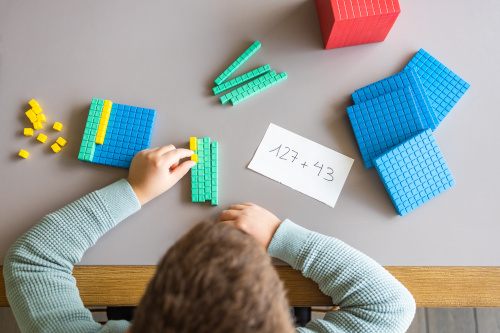
Math teachers can build cumulative math practice into their daily lessons, combining new grade-level content with a spiral review of previously taught concepts to ensure mastery and that the teach it, learn it, forget it cycle does not occur.
3. Trust the process
Educators, parents and students need to approach this school year with patience. A cumulative, “spiraled” approach to math instruction and review is an effective way to ensure students will continue to make progress toward grade-level proficiency by the end of the year.
With the right combination of tools, instructional strategies and student supports, K–12 teachers and administrators can overcome this challenge and get students back on the path toward math success this year.
- Denver is opening more specialized classrooms as the number of students with autism grows - October 2, 2026
- Cheating is not the problem–it’s a solution (in a zero-sum educational system) - October 1, 2026
- Parents worry about ed tech. Most still see a place for it, polls suggest. - September 30, 2026