
Key points:
- A positive classroom culture requires present and committed educators
- How to build a positive classroom in the first 5 days of school
- With students tuning out, it’s time to rethink the classroom
- For more news on classroom culture, visit eSN’s Innovative Teaching hub
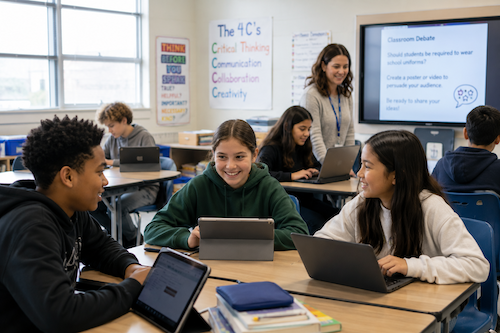
As the school year begins, teachers often devote significant time to planning lessons, reviewing standards, organizing classrooms, and establishing routines. While these are all essential components of effective teaching, they cannot replace the importance of creating a positive classroom culture.
Students learn best in environments where they feel safe, valued, challenged, and connected to the adults around them. In the words of former president Teddy Roosevelt, “People don’t care how much you know until they know how much you care.” Every decision educators make should be guided by what’s best for kids. When that mindset drives the classroom’s practices, the students are more likely to develop confidence, resilience, and a genuine desire to learn.
A positive culture also begins with relationships. For example, greeting students by name, learning about their interests and their families, noticing when they are absent, checking in with their families, and repairing relationships after a conflict (regardless of who ‘started it’) demonstrate that each child matters. As educators, we cannot expect students to respond positively if we are directing without first connecting. Relationship must always come before rigor.
A positive classroom culture also depends on consistency, intentionality, and high expectations. Students flourish when expectations remain clear and consistent for behavior, attendance, participation, or academic performance. Maintaining high expectations communicates that every learner is capable of growth even though the circumstances behind a student’s struggles may be real. Effective teachers remain fully present, intentionally plan engaging lessons, adjust instruction when students need additional support, and bring positive energy into the classroom every day because students often reflect the emotional climate established by their teacher.
- Public schools at the starting line: Beginning a new pathway with scholarship granting organizations - August 14, 2026
- The foundation for student success is a positive classroom culture - August 13, 2026
- The biggest back-to-school challenge - August 12, 2026