

 1. Using Shadow Puppet Edu, students can create video slideshows, adding their own narration and text. Videos can be up to 30 minutes long and can include up to 100 images, free for classroom use.
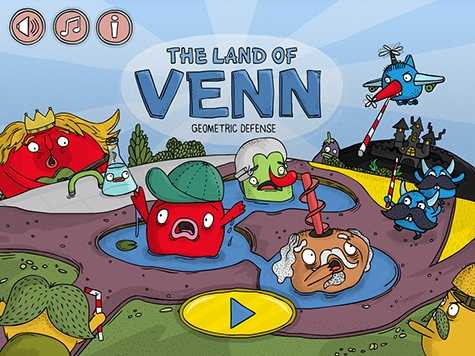 2. The Land of Venn – Geometric Defense is a fast-paced game that teaches kids how to use principles of geometry to defeat an evil wizard named Apeirogon and his monsters. By drawing points, lines, and shapes, kids stop the monsters, called Bookkenriders, from drinking all the Magic Juice found in the Land of Venn. Kids strategically draw shapes to eliminate the Bookkenriders as efficiently as possible. As the game progresses, the Bookkenriders become more challenging, but kids can earn coins to purchase magic spells.
 3. Pokémon GO is an insanely popular augmented reality game (based on the huge franchise of video games, card games, and other media) that requires an internet connection with GPS tracking and movement in the real world. Playing the game, which appeals to a wide range of ages, involves various safety and security issues. Privacy concerns are being explored and addressed, so it’s best to consistently update to the current version and check your settings.
 4. Project Spark is a digital game creator that lets students build their own games. Students can browse, play, and learn from other community-designed games and from plenty of genres: action/adventure, first-person shooter, arcade, puzzle, strategy, and platformer. Students will build 2-D or 3-D environments, write dialogue and scripts for their characters and stories, and execute complex lines of logic. This “kode,” as Project Spark calls it, dictates what the game world, objects, and characters will do and how they will behave. Once finished, students can upload their creations for others to play and/or remix.
 5. Redbird Advanced Learning Mathematics is a digital curriculum platform for in-class or blended learning use that incorporates robust, research-based adaptive technology. Teachers can assign students to grade-level learning tracks or let them sort themselves with a course placement activity. Students then work through a series of exercises to demonstrate prior mastery (Show What You Know), learn new concepts, and then practice what they learned. Along the way, students unlock math-based games and ultimately finish each section with a project to apply their new understanding.

- Children learn best on paper: We need better technology, not less of it - July 13, 2026
- In districts, reaching readiness, retention, and success - March 5, 2026
- AI use is on the rise, but is guidance keeping pace? - January 2, 2026