
Even though schools are back to in-person learning, the pandemic taught us something about how automating processes can save time–and if educators need more of anything, it’s time.
Students, parents, and staff can work smarter and more effectively with self-service forms, electronic signatures, pre-populated agreements, and automated approval processes.
You can transform your agreement process by eliminating paper, automating workflows, and connecting the systems within your organization as you learn best practices for human resources, special education/student services, and procurement.
Join this eSchool News webinar to learn how to succeed as your organization continues to go digital, including:
- How to digitally manage the teacher contract process efficiently and securely
- How to complete district wide student/family back-to-school forms remotely, including IEPs
- How to securely execute and track school purchases with audit trail reporting

- In districts, reaching readiness, retention, and success - March 5, 2026
- AI use is on the rise, but is guidance keeping pace? - January 2, 2026
- 49 predictions about edtech, innovation, and–yes–AI in 2026 - January 1, 2026
More from eSchool News

Rethinking MTSS: How schools can turn student data into meaningful support
Schools today are navigating an unprecedented convergence of academic gaps, behavioral challenges, chronic absenteeism and rising student mental health needs.
Schools need SEL assessments to fight chronic absenteeism
Our schools face a paradoxical challenge: chronic absenteeism, which is being treated as an attendance problem, actually isn’t.

5 ways to rest, reflect, and recharge this summer
Summer break has finally arrived, and if you’re like most educators, you’re probably feeling a lot of conflicting emotions. There’s relief that the school year is behind you, pride in everything you’ve accomplished, but also exhaustion from months of pouring your time, energy, and heart into your students.

Most districts still struggle to fill specialist roles
As school districts prepare for the 2026–27 academic year, new national data from BlazerWorks reveals a growing staffing crisis across K–12 education, with more than 90% of district leaders reporting increased demand for specialist staff.

Rethinking employability skills in K–12 education
What does it actually mean to prepare students for the future? What skills do they need to succeed in tomorrow’s workforce?

Data-driven decision-making is the key to unlocking K-12 district success
Today’s K-12 school districts have numerous responsibilities, from managing staff resources, to ensuring student safety, to fostering a learning environment where all students flourish.
Science achievement is not a one-year event
District leaders are under increasing pressure to improve science achievement while balancing competing priorities, staffing challenges, instructional demands, and accountability expectations.
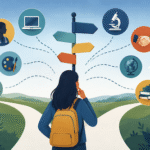
The hidden curriculum gap
A post-graduation readiness report by YouScience found that the majority of graduating high school seniors lack confidence in their post-graduation plans, including choosing a college, paying for it, pursuing a career pathway, evaluating a job offer, and assessing which risks are worth taking. These types of decisions affect all students, regardless of zip code, ethnicity, or gender.
Outcomes-based partnerships and accountability are the future of education
The answer to stagnating test scores is not adopting technology that has never demonstrated any ability to move test scores. Educators have to finally recognize that hope is not a strategy and cease rewarding vendors who show up without RCTs and rigorous validation.

We need accessible data and greater student agency
Students are more than letter grades and test scores. They are unique individuals with their own goals, skills, and needs–deserving an educational journey that supports all three.