
When digital assistants are used in classrooms, the outcomes can be overwhelmingly beneficial. AI has untapped potential in classrooms, from preschool through higher education. Digital assistants can transform how educators teach, giving them the freedom to teach from anywhere in the room.
Join eSchool News as a panel of experts shares the benefits of using AI digital assistants.
You’ll learn:
- What an AI digital assistant is
- How “technostress” is defined and how it can be reduced for teachers
- How teachers can efficiently control the apps and tools they are already using in classrooms
- How to bring simplicity into the classroom with artificial intelligence
- How edtech tools are working together to increase classroom productivity and support innovative teaching
Related:
AI in the Classroom – Supporting Innovative Teaching and Increased Productivity

- In districts, reaching readiness, retention, and success - March 5, 2026
- AI use is on the rise, but is guidance keeping pace? - January 2, 2026
- 49 predictions about edtech, innovation, and–yes–AI in 2026 - January 1, 2026
More from eSchool News

Apple’s MacBook Neo has entered the K-12 debate–are IT teams ready for it?
The MacBook Neo may narrow a pricing gap, but it also exposes a management gap. A lower-cost Mac may be enough to spark fresh interest. However, it alone isn’t enough to guarantee a smooth rollout.

Summer isn’t just a season, it’s a strategy
Summer is full of learning opportunities that many children miss. When back-to-school season begins, some kids are already starting behind. That’s all due to a lack of access to high-quality programs and resources.

Demonstrating impact with data: How librarians can make the case for increased funding
Libraries are more than a quiet corner of school where students can pick up a book now and then–they are vibrant learning environments that support classroom curriculum, spark curiosity and creativity, and enhance vital literary skills

Despite concerns, Gen Z students are optimistic about AI
There’s never been a more turbulent time for young people to plan for and embark on their futures, and a new survey gives insights on their feelings and plans.
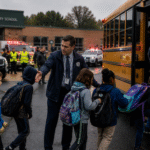
How comprehensive school safety planning protected our teachers and students
When people outside of education talk about comprehensive school safety planning, it can sometimes sound theoretical: a checklist of protocols or a compliance exercise.
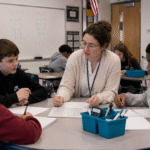
What U.S. and international classrooms can teach us about improving math instruction
Last year, one of my strongest students could solve complex equations flawlessly–but paused when I asked a simple question: “Why does this method work?”
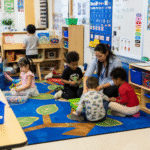
Building a better bridge: Prioritizing infrastructure in a pre-K expansion
New York is currently standing at a historic crossroads. With a rare alignment of executive leadership in Albany and NYC and a tireless advocacy community, the state is poised to transform the promise of universal early childhood education (ECE) into a reality for tens of thousands of families.
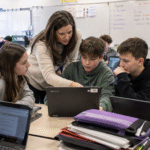
In Illinois, charting a path for responsible AI use
AI is a daily reality in the nation’s schools, and in Illinois, it shapes how students research, problem-solve, and create. Now, Teach Plus Illinois and the Illinois Digital Educators Alliance (IDEA) are releasing “From ‘Rules and Tools’ to Schools,” a follow-up to the 2024 report that first sounded the alarm on AI’s “Wild West” conditions in schools.
We can’t punish our way out of the attendance crisis
In the Ithaca City School District, we have long understood that relationships are not peripheral to the work; they are the work. A culture of love is not aspirational language but a daily commitment to ensure that every student, every family, and every member of our community feels seen, valued, and connected to something greater than themselves.

In a new survey, AI scores high as a math learning tool
AI plays a supportive educational role for nearly 70 percent of top-performing math students asked about their study habits, according to a new survey.