
Technology plays a pivotal role in classrooms, and as it becomes more sophisticated, educators realize that creating active learning environments can help them effectively and efficiently use technology engage students in their learning.
What’s your edtech plan post-COVID? Join this eSchool News webinar to learn how to assess your classrooms and ensure they are immersive, engaging, and embracing active learning practices.
You’ll learn from a team of experts and educators who can share important insights on the practices and components of active learning. Join today!

- Children learn best on paper: We need better technology, not less of it - July 13, 2026
- In districts, reaching readiness, retention, and success - March 5, 2026
- AI use is on the rise, but is guidance keeping pace? - January 2, 2026
More from eSchool News
Building inclusive school communities through integrated digital strategy
Clear, timely communication is the bedrock of the relationship between a school and its families. It is the invisible thread connecting a student’s classroom progress to the support they receive at home.
Beyond spotting deepfakes: Teaching multilingual learners to interrogate AI
Long before computers entered our homes and classrooms, photographs helped shape what people believed. Images carried a particular kind of authority: We did not simply look at them; we often treated them as evidence.

Financial education must not sacrifice student privacy
Financial education is gaining real momentum across the United States. More states are adopting mandates, more schools are adding graduation requirements, and more policymakers are acknowledging that students need practical preparation for the financial decisions they will face as adults.
Attendance is the scoreboard–connection is the game
If I had been asked a few years ago, I would have told you that chronic absenteeism was a school system’s problem to fix. With better data systems, staff trained on outreach, and improved intervention protocols, school districts could move the numbers on their own.

What it really takes to accelerate adolescent literacy across our district
When people hear about the literacy gains we’ve seen in our middle schools, they often ask a simple question: What program did you use?

Uncovering the college and career readiness shifts that exceptional school systems are making
If you ask most educators where college and career readiness (CCR) begins, many will point to high school. That’s when many students start thinking seriously about graduation requirements, dual enrollment, financial aid, career pathways, and college applications.
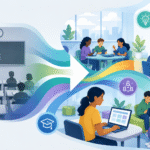
Today’s classroom isn’t broken–but it wasn’t built for today’s top students
Walk into almost any classroom in America, and you’ll see a system designed for consistency: same lesson, same pace, same expectations for every student. For decades, that model has served millions well.
5 ways AI can strengthen your teaching this school year
A year ago, many educators were still asking whether artificial intelligence belonged in the classroom. Some were cautiously experimenting with AI-generated lesson plans, while others were focused on preventing students from using it altogether.

Public schools at the starting line: Beginning a new pathway with scholarship granting organizations
For the first time, a federal tax credit is opening a clear path for public school students to access expanded learning opportunities through Scholarship Granting Organizations (SGOs).
The foundation for student success is a positive classroom culture
As the school year begins, teachers often devote significant time to planning lessons, reviewing standards, organizing classrooms, and establishing routines. While these are all essential components of effective teaching, they cannot replace the importance of creating a positive classroom culture.