
The interruption of in-person learning environments due to COVID-19 impacted everyone, but it particularly challenged those with specific learning needs.
In fact, equity became one of the top issues as the pandemic spread across the globe. Educators in every building acknowledged the continuing need to create more equitable education environments.
Students deserve the resources and support they need to fully engage in learning, and when you design for inclusion, everyone benefits.
Do you need to evaluate your district’s classroom accessibility? Check out this eSchool News webinar to learn how to develop and enable a more inclusively and accessibly designed classroom that provides each student the tools and supports they need – from built-in technology tools to making open education resources more accessible.

- In districts, reaching readiness, retention, and success - March 5, 2026
- AI use is on the rise, but is guidance keeping pace? - January 2, 2026
- 49 predictions about edtech, innovation, and–yes–AI in 2026 - January 1, 2026
More from eSchool News

6 keys to building a high-impact summer reading program
In 2023, Bob Bolduc, the founder of Hope for Youth and Families, identified a gap in our student’s reading success here in Springfield, Massachusetts. He sought to identify a solution that would specifically support middle school students reading below grade level, and in 2024 partnered with Storyshares and HILL for Literacy to create an intensive, four-week summer literacy program.
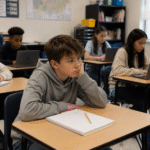
With students tuning out, it’s time to rethink the classroom
Across classrooms right now, many educators are noticing the same shift: Students are even harder to reach than they were just a short time ago. In a recent survey, teachers pointed to rising disengagement as a growing concern, with more students opting out of learning in both loud and quiet ways.
Maybe we have too much teacher training
“Maybe we have too much teacher training.” That headline is a sentence I never thought I’d write, given that I run a company built around supporting teachers’ professional growth. But it has been sitting with me since I read the latest Education Scorecard report.

Leading in the in-between: A multi-track approach to leadership growth
There is a period in the school leadership journey that we do not talk about enough: the time between earning an administrative license and actually becoming a school leader.

The hidden skill many kids are losing
Once upon a time. For generations, those four words were an invitation. Children leaned in because a story was beginning. They would listen closely, follow the characters, and stay with the plot until the end.
Engaging K-12 families over the summer
It’s easy to connect with the families who show up in September already invested: responding to messages, attending events, kids showing up on time. In most cases, building that investment started months or years earlier.
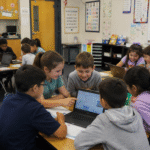
Building math skills by designing backpacks: How PBL shifted the way students see math
Building a strong foundation in math during elementary and middle school is essential for success in the later grades. Because each concept builds on the last, students must truly grasp the material before moving forward.
We need to start giving agency to educators instead of edtech vendors
American schools spent roughly $30 billion on educational technology in 2024–a figure that’s projected to nearly double by 2033. Superintendents are constantly bombarded with emails, brochures, and demos from education technology companies.
My students need real connection, not AI feedback
As I wrapped up my student conferences, one conversation stuck with me. Steven had barely touched his final project for our computer science course, a virtual simulation of a piano, despite showing real promise earlier in the year.

Will schools answer the Canvas breach’s wake-up call?
The recent Instructure/Canvas breach should be a wake-up call for every school and university relying on third-party platforms to power teaching and learning.