
The interruption of in-person learning environments due to COVID-19 impacted everyone, but it particularly challenged those with specific learning needs.
In fact, equity became one of the top issues as the pandemic spread across the globe. Educators in every building acknowledged the continuing need to create more equitable education environments.
Students deserve the resources and support they need to fully engage in learning, and when you design for inclusion, everyone benefits.
Do you need to evaluate your district’s classroom accessibility? Check out this eSchool News webinar to learn how to develop and enable a more inclusively and accessibly designed classroom that provides each student the tools and supports they need – from built-in technology tools to making open education resources more accessible.

- Children learn best on paper: We need better technology, not less of it - July 13, 2026
- In districts, reaching readiness, retention, and success - March 5, 2026
- AI use is on the rise, but is guidance keeping pace? - January 2, 2026
More from eSchool News

Don’t forget nature’s classroom
Outdoor education has been shown to improve academic outcomes across subjects, including science, reading, and math, while also strengthening motivation, well-being, and school engagement. Studies also link outdoor learning to increased attendance, improved behavior, and stronger relationships among students.
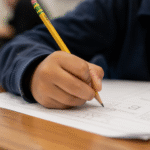
Digital detox: Reducing screen time creates space to build literacy skills
Walk into almost any elementary classroom today and you will likely hear the same concern from teachers across grade levels: Many students can swipe, tap, and navigate a screen with ease, but struggle to hold a pencil comfortably, form letters fluently or sustain writing for more than a few minutes without fatigue.
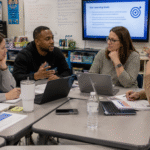
Teacher training needs more community and less compliance
Professional development is one of a school district’s most powerful strategies for improving student outcomes. Yet, educators often leave workshops feeling inspired in the moment, but take little action in the classroom. The problem isn’t that teachers don’t want to learn, but that professional development is treated as an event, rather than an ongoing process.

Summer reading for teaching and school improvement: Harnessing the Science of Learning
Every summer, I find myself in conversations with teachers and administrators trying to figure out why their current pedagogical practices are or aren’t working. So, once I came across Harnessing the Science of Learning by Nathaniel Swain, Ph.D., I haven’t been able to stop recommending it.

My son wasn’t dyslexic—he was never properly taught to read
When my son Hunter was in fifth grade, his teacher told me he was struggling with reading comprehension. I nodded politely and moved on.
Chronic absenteeism isn’t the problem–it’s the signal
Every school leader I know has a version of the same moment: You pull up a student’s attendance record expecting to find a discipline problem, and instead you find a family going through a crisis none of us would wish on anyone.
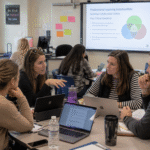
PD for innovation: Reimagining solutions for engagement, burnout, and achievement gaps
Do you think you’re creative? Try this: List as many uses for a paperclip as you can in two minutes. Most people imagine a standard size metal or plastic clip. But consider that the “paperclip” could be made out of wood, gold, microprocessors, money, or anything you can imagine.
Not all screen time is equal
With the growing movement to limit technology in schools, parents and educators are right to question how much time students spend on screens. But, as schools reconsider the role of technology in the classroom, an important distinction is often getting lost in the public conversation: Not all screen time is equal.
A second language is more than an elective—it’s a workforce skill
When I taught Spanish, students would often ask, “Why do I need to learn this?” Many thought that learning a new language would only be useful if they wanted to become interpreters or work abroad.
WorkKeys is lowering the bar on student proficiency
School accountability systems measure whether students are mastering the academic standards states expect them to teach and signal where additional support is needed. Education is one of the largest budget items in most states, and accountability is how states verify that spending translates into student learning.