
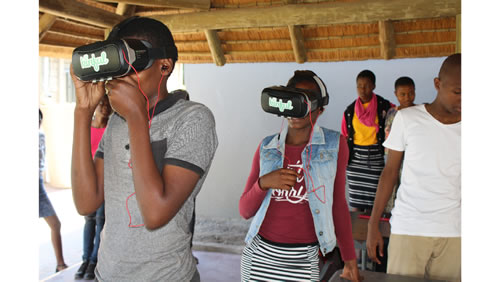
Why student-created VR works
The key is to give students the opportunity to be creators of the VR videos, thereby ensuring the content is genuine, relatable, and relevant to their peers in an impactful way. Imagine the empathy being fostered from viewing a first-person perspective VR video of being bullied, and the communication skills being developed from discussing the experience as a class-wide group afterwards. It can be cathartic for the storyteller, and an illuminating discovery of solidarity for the viewer.
SEL is quickly becoming a key educational initiative. According to an EdWeek Market Brief, nearly 90 percent of district leaders say they have already invested in social and emotional learning products, or plan to do so over the next year. While this individualized but group experience may not be new to many of our SpEd educators, many teachers are struggling to find exciting ways to integrate SEL into their curricula. VR provides a unique solution that energizes both students and teacher alike.
- When practice becomes data: Helping teachers respond to student misconceptions - September 8, 2026
- Why reading interventions plateau—and why New York’s new dyslexia center won’t change that - September 7, 2026
- Career readiness in the AI era needs decision practice, not just tool access - September 4, 2026